Showing posts with label Haida history. Show all posts

Wednesday, October 30, 2019

A Season to Celebrate: Haida Gwaii 2019


A Season to Celebrate: 

Haida Gwaii 2019

As Bluewater Adventures finishes a fulfilling season in Haida Gwaii we reflect on the memories created by our renowned Haida Resource Guides like artists, Robert Davidson and Terri-Lynn Williams-Davidson, Haida matriarch, Barb Wilson and Elder, Captain Gold. It is always a treat for our guests and Crew to have a "front row seat" to the unfolding art, history and culture of the Haida people through their stories.


On our expeditions, Bluewater Crew capture all wildlife encounters in a log book to share with researchers and for our own historical data. 2019 was a very active year! Just a few of the highlights in Haida Gwaii were, "2 humpbacks breaching 50 times", "1000's of ancient murrelets", transient (Biggs) orcas on the hunt", "a pod of 70+ offshore orcas", "6 fin whales and a grey whale" and "witnessing hundreds of puffins take flight!"


Breaching humpback whale. Photo: J Varley

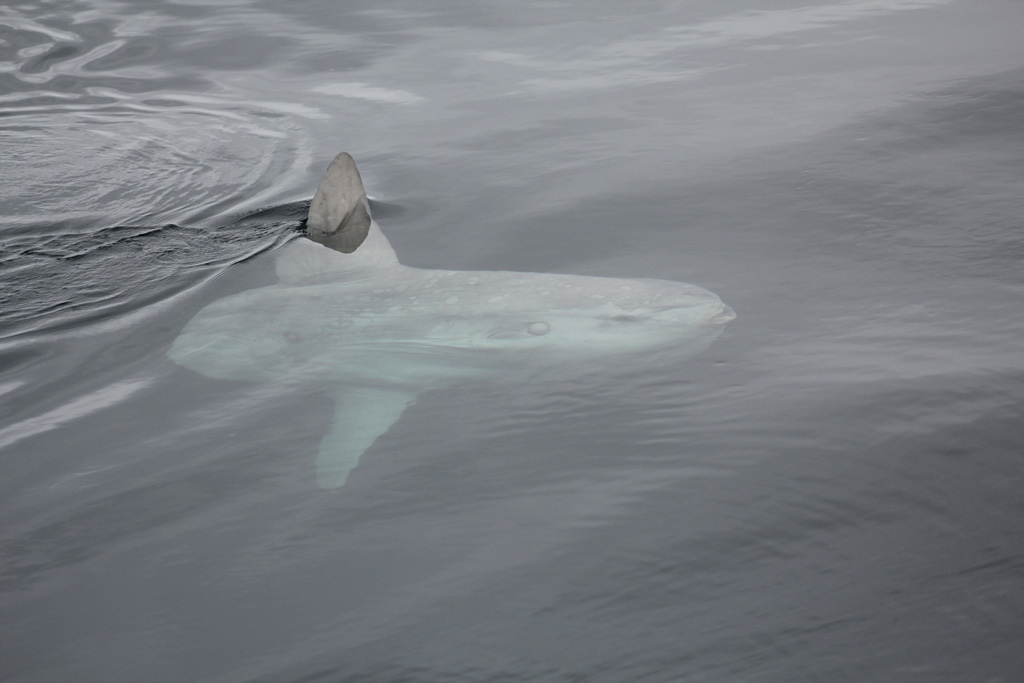
We tend to have some unusual encounters too! This year Crew and guests spotted a fur seal, Risso's dolphins, mola molas and a salmon shark.
Rissos dolphin. Photo: T Stoeri

Risso's dophins can grow up to more than 3.5 metres long and can dive to at least 1000 feet. They are typically found in warm or temperate waters but have been seen off of Haida Gwaii presumably due to its rich foraging areas. They feed mostly at night on anything from krill and small fish to cephalopods like cuttlefish, octopus and squid.


Mola mola or Sunfish. Photo: R Elliott
The mola mola or ocean sunfish is probably one of the strangest creatures we encounter on our expeditions. They can grow to be up to 3 metres across and females can lay about 300 million eggs at one time. They are most often spotted when floating on their side at the ocean surface, absorbing the heat of the sun to regulate their body heat. They are also deep divers - probably drawn to the Continental Shelf and its rich supply of nutrients. Believe it or not, their main diet is jelly fish.


Haida Gwaii trips take place May through August on both Island Roamer and Island Solitude.  Inquire about an upcoming trip here.

Wednesday, October 23, 2019

Haida Gwaii - Then & Now

Hand made Haida canoe paddles. Photo: Rick Hulbert
Haida Gwaii translates to “islands of the people". The two main islands in Haida Gwaii, Graham Island to the north and Moresby Island to the south, are among approximately 150 smaller Islands making up this breathtaking archipelago.

Haida Gwaii black bear 
Haida Gwaii is also referred to as the Galapagos of the North. During the last glaciation of BC, ice in Haida Gwaii receded about 2000 years earlier than the rest of the province. This resulted in some plants and animals evolving into genetically distinct species like the Haida Gwaii black bear, the largest known subspecies of black bear.

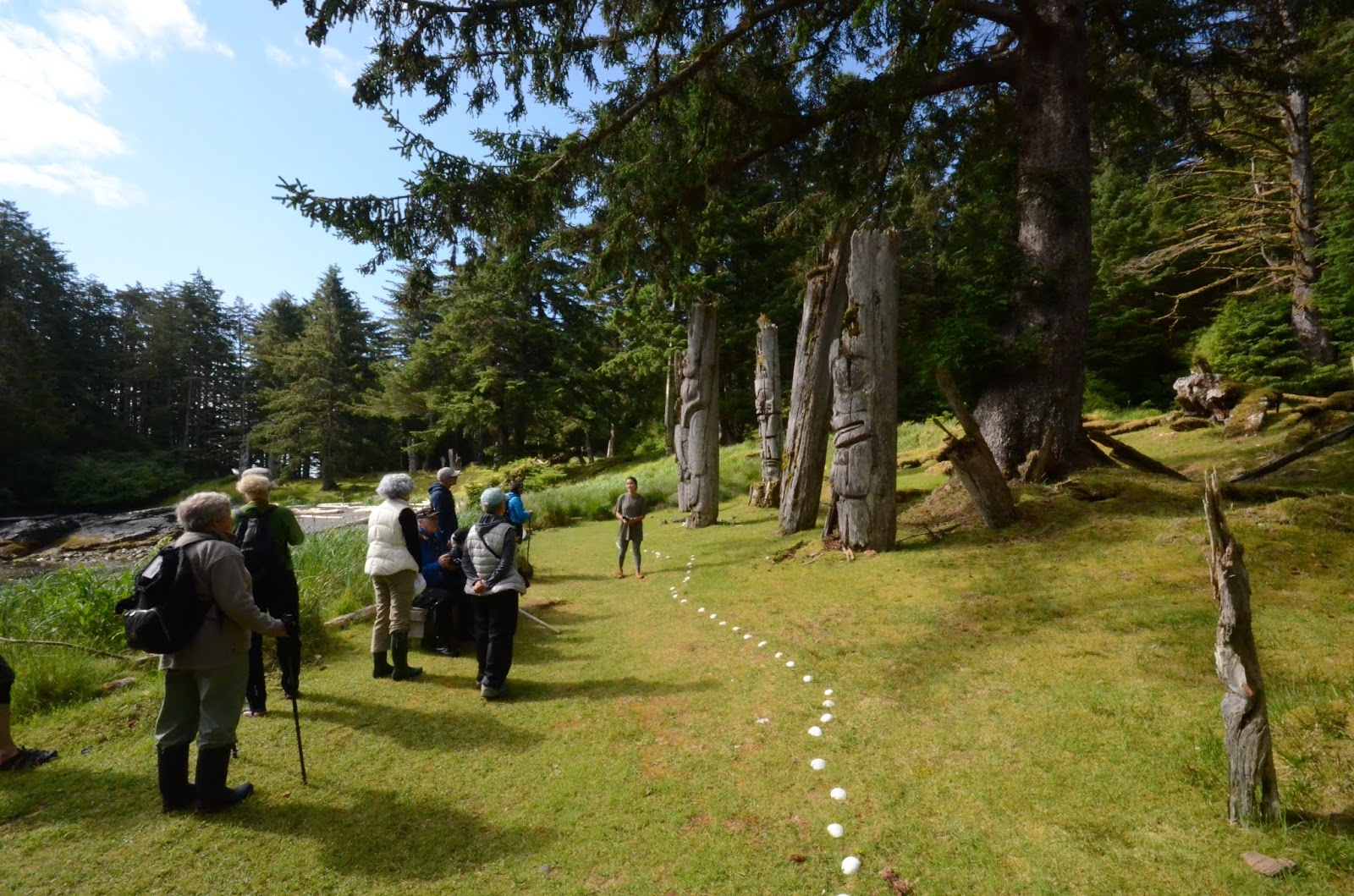
The iconic images of Haida Gwaii you see are usually of  SGang Gwaay - a UNESCO  World Heritage Site located at the southern-most point of Moresby Island. It is a magical place where we contemplate what life must have been like in this 19th-century, sea-side Haida village.

Our Haida Watchman guides take us through the village site to interpret the longhouse, middens, mortuary and memorial poles and the bounty that the location offered. It is just one of the village sites that we visit on our Haida Gwaii expeditions.

A visit to SGang Gwaay. Photo: R Burke

 
Since 1993, Gwaii Haanas National Park Reserve has been protected from the ocean floor to the mountain peaks and is co-managed by the Haida Nation and the Canadian Government. A new plan called Gwaii Haanas - Land, Sea People Plan was introduced in 2018. It oversees the management of the archipelago, "unimpaired" for the "education and enjoyment of future generations". Central to the vision for the protection of Gwaii Haanas is "the recognition that land, sea and people are interconnected."


 Captain Gold  Photo: T Thayer
Captain Gold, a Historian, the founding Watchman and Bluewater Adventures Resource Guide, travelled with us on Island Roamer in June 2019. He regaled us with Haida history, shared his proud knowledge and passion for the Islands and introduce us to the rich marine and plant life of Haida Gwaii. 


We are grateful for the friendships that have been forged over the years with esteemed biologists, carvers, historians, Elders and conservationists. 

Stay tuned  to hear about the 2020 Season and who will be leading each trip!


Sign up for Bluewater ENews and learn about great opportunities and upcoming trips.

Thursday, September 26, 2019

Waking Gwaii Haanas

Waking Gwaii Haanas

Photo: Chris Wheeler


As we enter into Fall and all Bluewater Adventures' vessels are experiencing some of the best wildlife watching in the world, we begin looking toward next year. How we craft our expedition schedule is largely dictated by the rhythms of nature. We make sure that we are present in each area of the British Columbia Coast and Southeast Alaska when it is the very best time to be there.


Haida Gwaii Black Bear
Haida Gwaii black bear 

One great example is Haida Gwaii – it is glorious come spring. Ancient cedar groves yawning to the rising sun after a long winter of quiet stillness in between passing storms. Vitality returns, the forest floor bursts with life and the mosses and lichens take on an even more vibrant shade of green. It is easy to understand how the Gwaii Haanas ("Islands of Beauty”) earned its name. 

We spend most of the trip exploring Gwaii Haanas National Park Reserve. Thousands of sea birds migrate to the southern regions of the park to nest and raise their young each spring. One such bird is the endangered Ancient Murrelet, who returns from the sea only to lay her eggs. In late May, tiny grey fluff balls emerge from their forest dens, and travel down the beach to greet their calling parents at the water’s edge.

Ancient murrelets - parents and chicks reunited Photo - Terry Carr

Spring tides off Haida Gwaii are rich in small fish and krill – welcome nourishment for hungry foragers. Some years have seen Risso’s dolphins and salmon sharks, while other years brought orca and mola mola. One massive creature we are sure to see are humpback whales returning from their birthing grounds further south.

A main highlight that has been bringing us back for over 40 years is the Haida hospitality and their story telling. Their culture is rich with history kept alive through music, art and oral history. We are grateful for the opportunities over the years, to travel with Haida Elders like Captain Gold and Barb Wilson - Kii'iljuus, who lead our trips as resource people. In sharing their family stories, personal adventures and knowledge of the village sites we encounter, our guests and Crew are brought closer to a time when the Haida thrived and villages teemed with activity.


Photo: Lindsay Janes


This unique place is incredible to explore throughout summer, but to witness the “waking” of Gwaii Haanas in spring; to celebrate the passing of winter and welcome new life to this remote and extraordinary archipelago is a powerful testament to the change of seasons.

Questions? Shoot us a quick email

Or Call: 1-888-877-1770/ 604-980-3800